
5 Traffic Management Tips for Construction Projects
Trade Advice
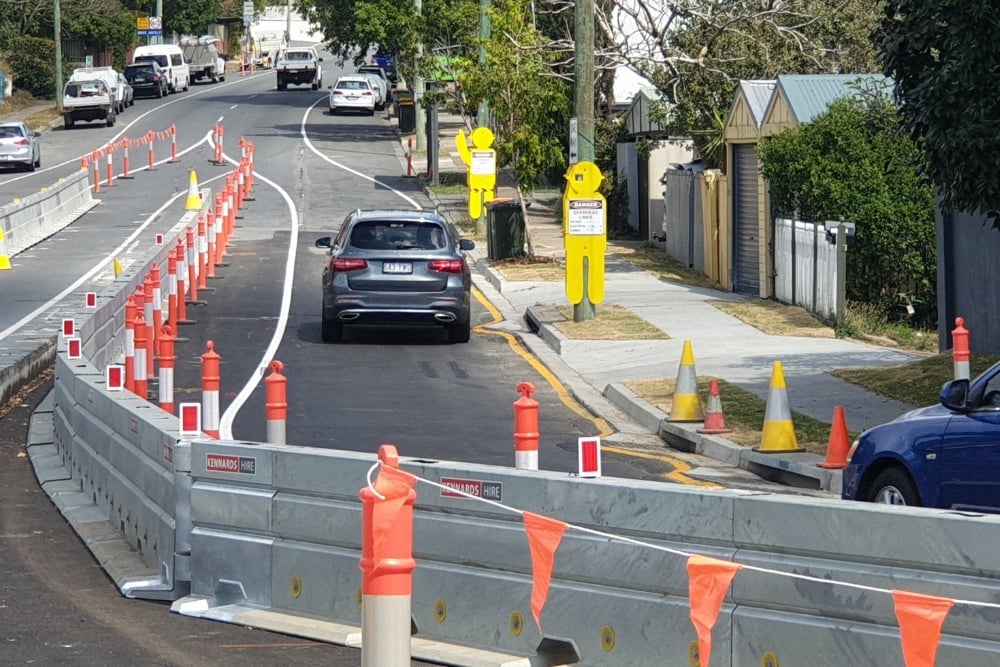
Managing a construction site is a balancing act. Between heavy machinery, constant deliveries, and public foot traffic, the risk of an incident can be high. A clear traffic management strategy doesn't just keep people safe—it keeps your project on track.
Here are five practical ways to streamline your site’s traffic flow.
1. Separate People from Plant
The simplest way to prevent accidents is to ensure pedestrians and vehicles never meet.
- Designated Zones: Create clear, pedestrian-only paths to site offices and amenities.
- Physical Barriers: Use fencing, bollards, and water-filled barriers to define boundaries.
- Visibility: Ensure crossings are well-marked so drivers and walkers can easily see each other.
2. Minimize Vehicle Movement and Reversing
Reversing is one of the most common causes of site incidents. If you can eliminate the need to back up, you eliminate a major risk.
- One-Way Systems: Design site loops or turning circles to keep traffic moving forward.
- Consolidate Deliveries: Coordinate arrivals to reduce the total number of vehicle trips.
- Safety Tech: When reversing is unavoidable, use spotters, cameras, and high-decibel alarms.
3. Let Signs and Speed Controls Do the Heavy Lifting
Don’t leave site safety to guesswork. Use visual cues to guide behaviour automatically.
- Standard Signage: Use recognizable, road-standard signs for speed limits and hazards so they are understood at a glance.
- Lighting: Use lighting towers to maintain visibility during night shifts or in poor weather.
- Enforcement: Set realistic speed limits and ensure every driver—including visitors—strictly follows them.
4. Treat Your TMP as a "Living Document"
A Traffic Management Plan (TMP) shouldn't sit in a drawer. It needs to evolve with your project.
- Map it Out: Your TMP should clearly show entry/exit points, loading zones, and exclusion areas.
- Define Roles: Specify who is responsible for traffic control and communication.
- Update Regularly: Review the plan whenever the site layout changes or after a "near miss" to prevent future issues.
5. Schedule Around the "Rush Hour"
Timing is everything. High-risk movements should happen when the surrounding area is quietest.
- Off-Peak Deliveries: Avoid school drop-off times or local rush hours to reduce public friction.
- Clear the Way: Prepare your waste and material zones in advance so delivery trucks aren't idling in the street.
- Communicate: Keep local authorities and neighbouring businesses in the loop to avoid logistical headaches.
Key Inclusions for Your TMP
A comprehensive plan should always include:
- Walkways & Crossings: Protected paths for workers and the public.
- Route Maps: Clear directions for deliveries and no-go zones.
- Control Methods: Reversing protocols and radio communication channels.
- Visual Aids: A schedule for signage, lighting, and speed zones.
- Induction Procedures: How you’ll brief new drivers and contractors.
How Kennards Hire Supports Your Site
We provide the equipment and expertise to turn your TMP into a reality. From barriers and bollards to trench covers and high-output lighting towers, we have the equipment and expertise to keep your site compliant. Our experts can help you bundle the right equipment for your specific project needs, ensuring you stay productive and safe. Speak to one of our experts to design a package that fits your site and project plan.