
The Real Cost of Construction Delays and How Businesses Are Responding
Trade Advice
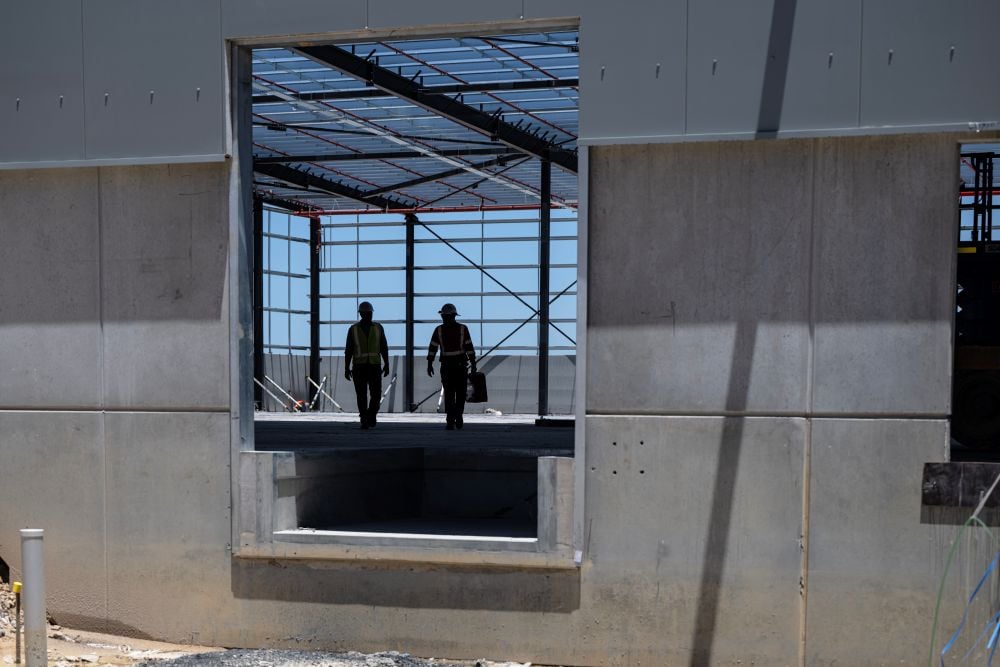
Kennards Hire’s 2026 Construction Confidence Check highlights that 98% of construction decision-makers across Australia and New Zealand reported experiencing project delays or cost overruns due to factors outside their control.
Construction project delivery is under pressure on several fronts across Australia. A record public infrastructure pipeline, ongoing skilled labour shortages and unpredictable cost escalations are making on-time, on-budget delivery harder to achieve, and expensive to miss. For project teams, delays create cost, contractual and cashflow pressures that compound quickly.
Understanding What Delays Cost
Construction delays create both direct and indirect costs that can quickly become a significant financial burden. From idle labour and extended equipment hire to disrupted supply chains, subcontractor availability and the administrative overhead of extension-of-time requests and variation claims, the impact often extends well beyond the immediate delay.
As construction businesses typically operate on lean margins, a delay on an important activity can affect project profitability, while compounding delays can disrupt later stages of the build and place the project’s overall success at risk.
What Is Driving Project Delays
The CCC found that the most commonly cited challenge was the time required to manage and coordinate multiple suppliers and project managers (62%). This was followed by a lack of skilled labour or specialist knowledge (54%) and a lack of equipment or outdated or faulty technology (51%).
Skilled labour shortages remain one of the most persistent sources of project risk, with Tier 1 projects often competing to recruit the same workers as smaller projects. Equipment availability, however, is a risk that can be managed through early planning. By engaging an equipment hire partner before mobilisation and clearly defining project requirements, businesses can reduce downtime, improve reliability and keep work on schedule when conditions change.
How Construction Businesses Are Responding
One way to simplify project delivery is to reduce the number of supplier relationships that need to be managed. Fewer handover points mean fewer opportunities for miscommunication, scheduling conflicts and equipment-related delays.
Improving project readiness starts with earlier procurement decisions and integrating equipment hire into the planning process. By confirming hire arrangements before mobilisation and partnering with a supplier that offers a broad equipment range and an accessible branch network, project teams can reduce delays and respond more effectively when project requirements change.
Where Kennards Hire Can Help
Managing equipment-related risk starts with having the right expertise involved early in the planning process. At Kennards Hire, Operational Product Specialists work alongside project teams to identify the most appropriate equipment, confirm availability and align delivery with construction schedules. Backed by more than 75 years of experience, Kennards Hire’s national network of specialist teams and equipment is ready to support the delivery of major projects across Australia and New Zealand.